
19 November 2026 · 3 min read
Beyond Compliance: Strengthening Data Protection in Kenya's Civil Space
The responsibility behind the data
Civil society organisations advance human rights, deliver community services and carry out research. In doing so, they are trusted with deeply sensitive information: the record of a child seeking support, a survivor accessing services, a participant in a human rights study.
These records are more than administration. They represent real lives. When such information is collected, stored or shared without safeguards, people can face risks to their privacy, dignity and safety.
Kenya's Data Protection Act, 2019 gives effect to the right to privacy under Article 31 of the Constitution, and its obligations apply to non-profits as they do to any other organisation. Knowing that is the easy part. Turning it into everyday practice takes knowledge, systems and commitment.
A programme built for practice
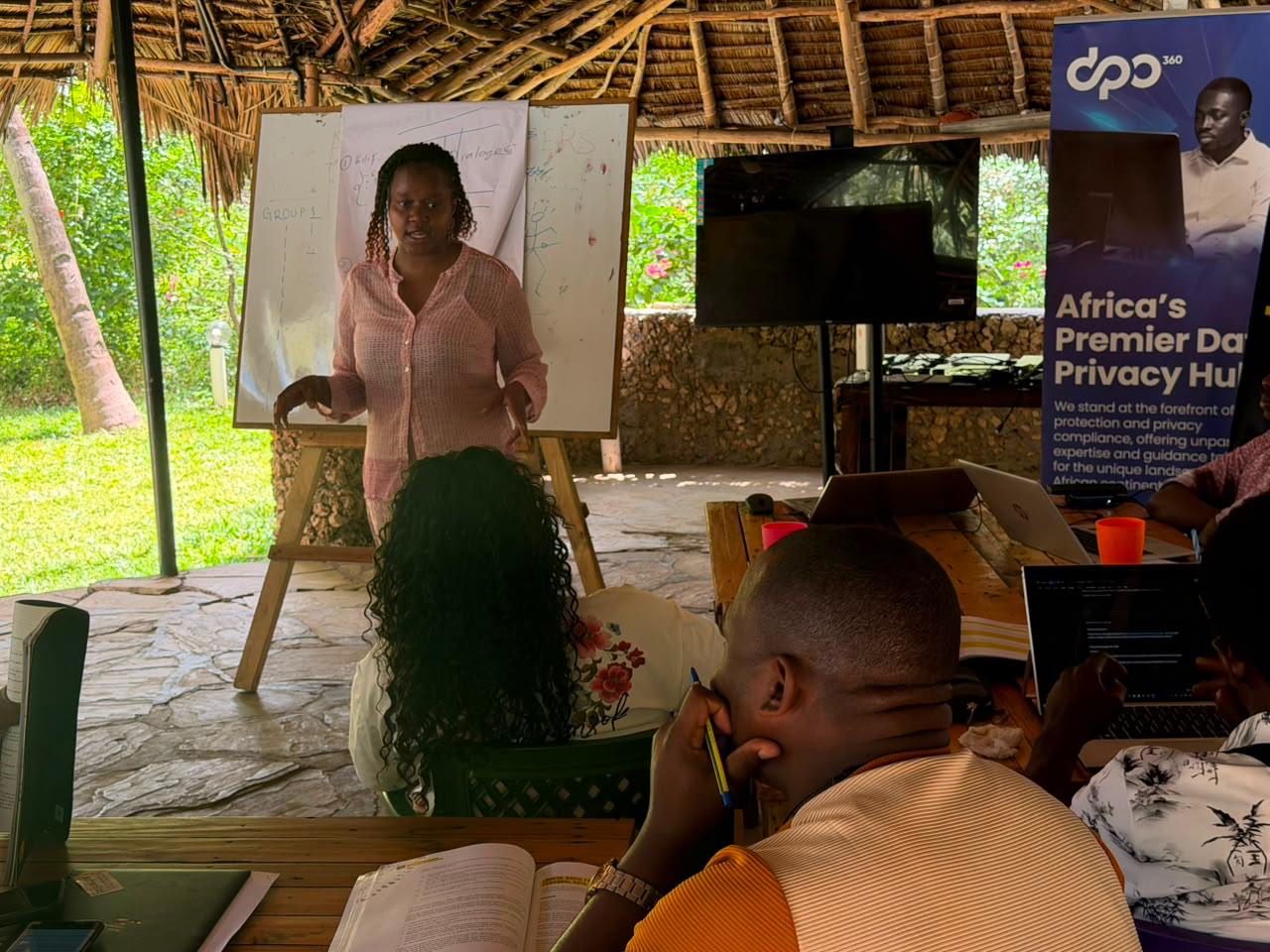
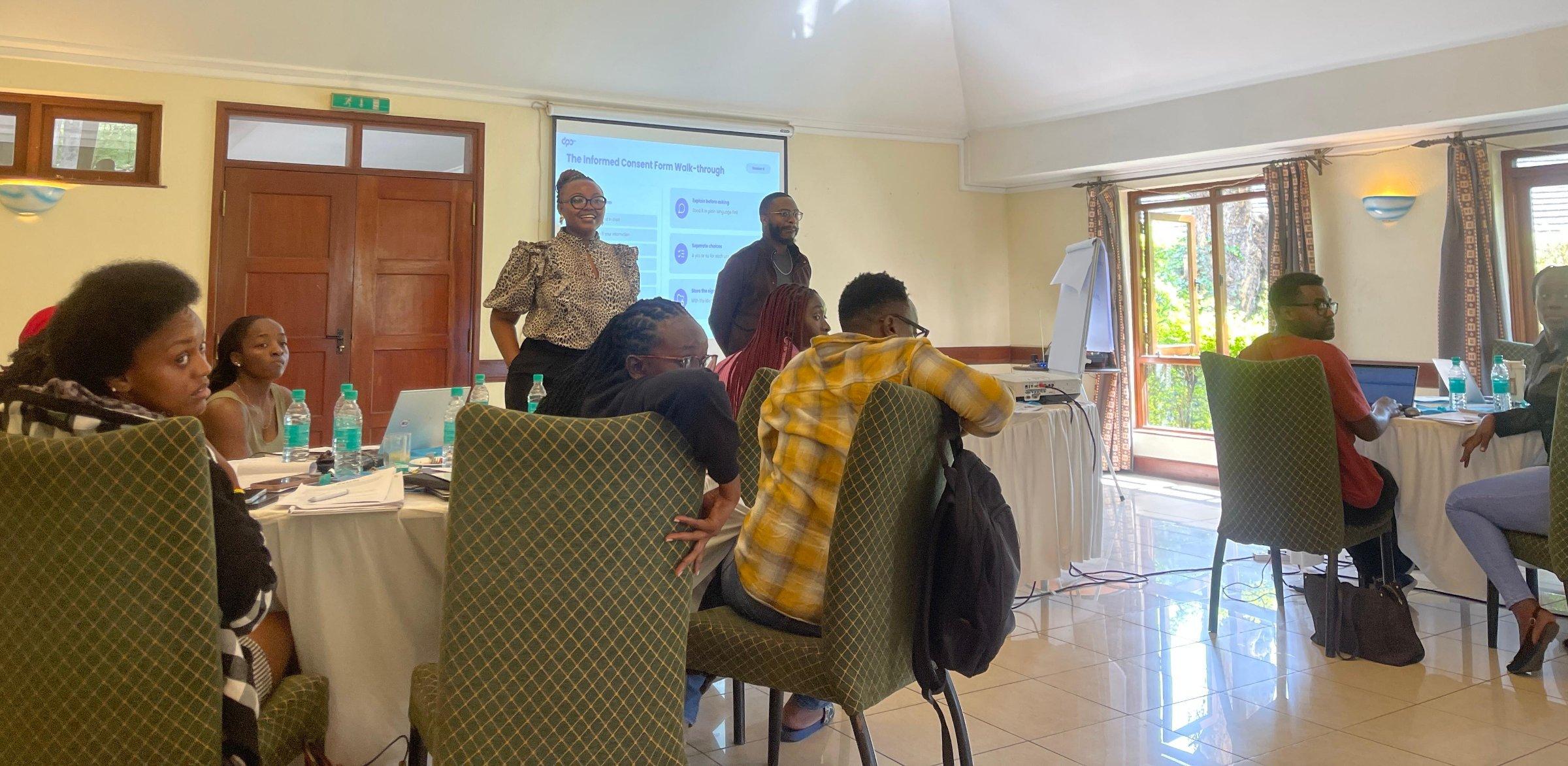
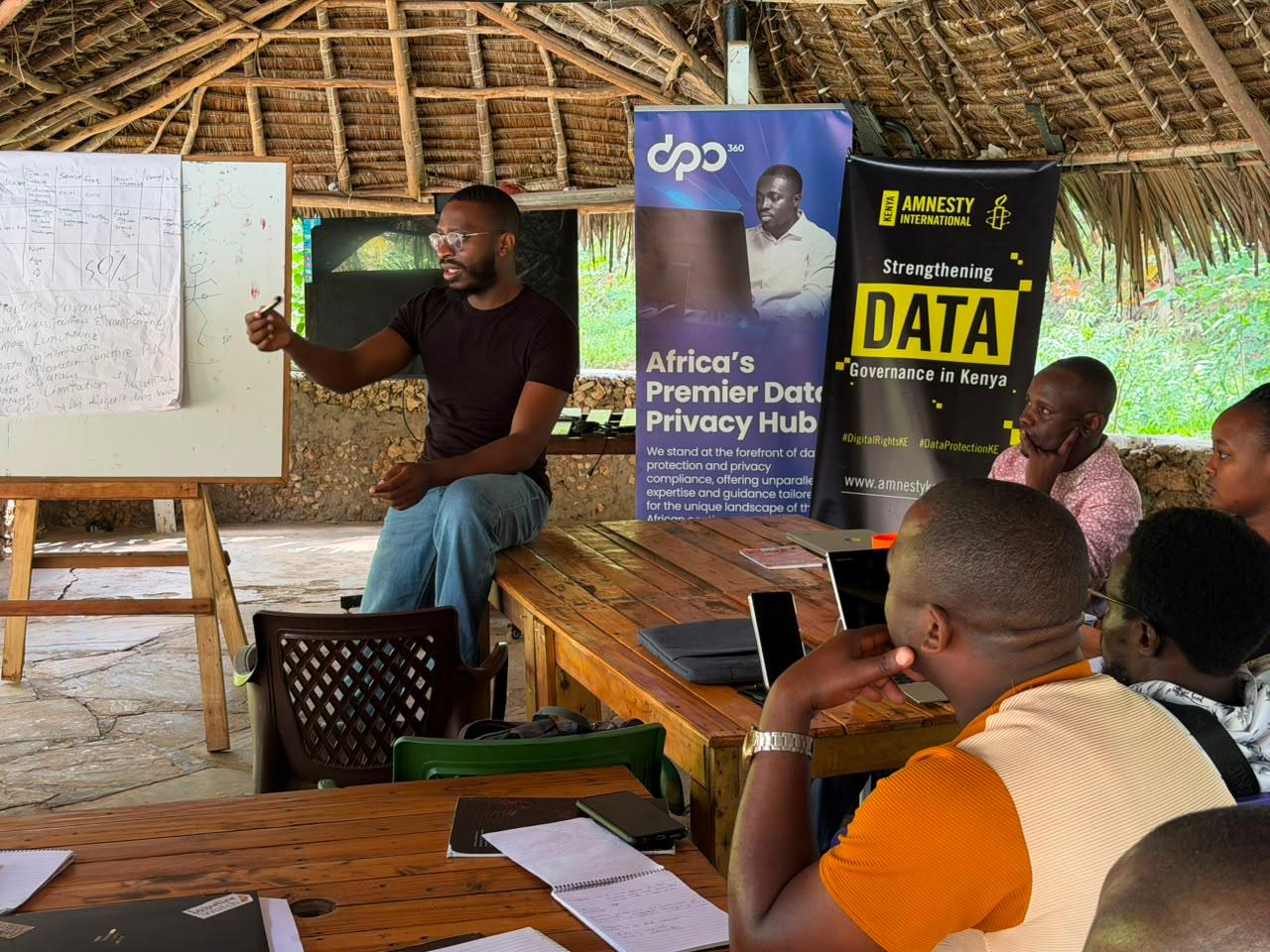
Amnesty International Kenya opened a call for applications for locally based civil society organisations in Kilifi County. The aim was to build their understanding of digital rights and data protection, help them begin complying with the Act, and let them learn from one another.
The response was larger than the programme could hold. 72 organisations applied, and the first cohort of 18 completed it. DPO 360 Africa facilitated the training, and Maono Space provided the venue.
Across the sessions, participants worked through privacy and data protection principles, informed consent and where consent is not the right basis, such as when someone's vital interests are at stake. They also covered the rights of data subjects and how to receive and respond to requests. One session was a check on progress, where organisations reported what they had put into practice.
From understanding the law to strengthening practice
A central lesson was that data protection cannot be a standalone compliance exercise. It must show in the decisions an organisation makes about what it collects, why, who can see it, how it is kept and when it is deleted. We asked every organisation to put five questions to itself:
Are we collecting only the personal information necessary for our work?
Do the people whose information we collect understand how it will be used?
Are appropriate safeguards in place for sensitive records?
Can individuals exercise their rights over their personal data?
Do our internal processes reflect our legal and ethical responsibilities?
What changed
The clearest result was registration. Participant organisations reported and were commended for completing the required compliance steps, including registering with the ODPC.
The organisations described the shift in their own words. IRIC-K said its biggest lesson was that "data protection compliance is not a one-time achievement but an ongoing institutional responsibility." Youth4 Integrity Building wrote that "protecting information is part of practising integrity, strengthening accountability, and safeguarding the trust of the communities we serve."
Why it matters for human rights
Thank you
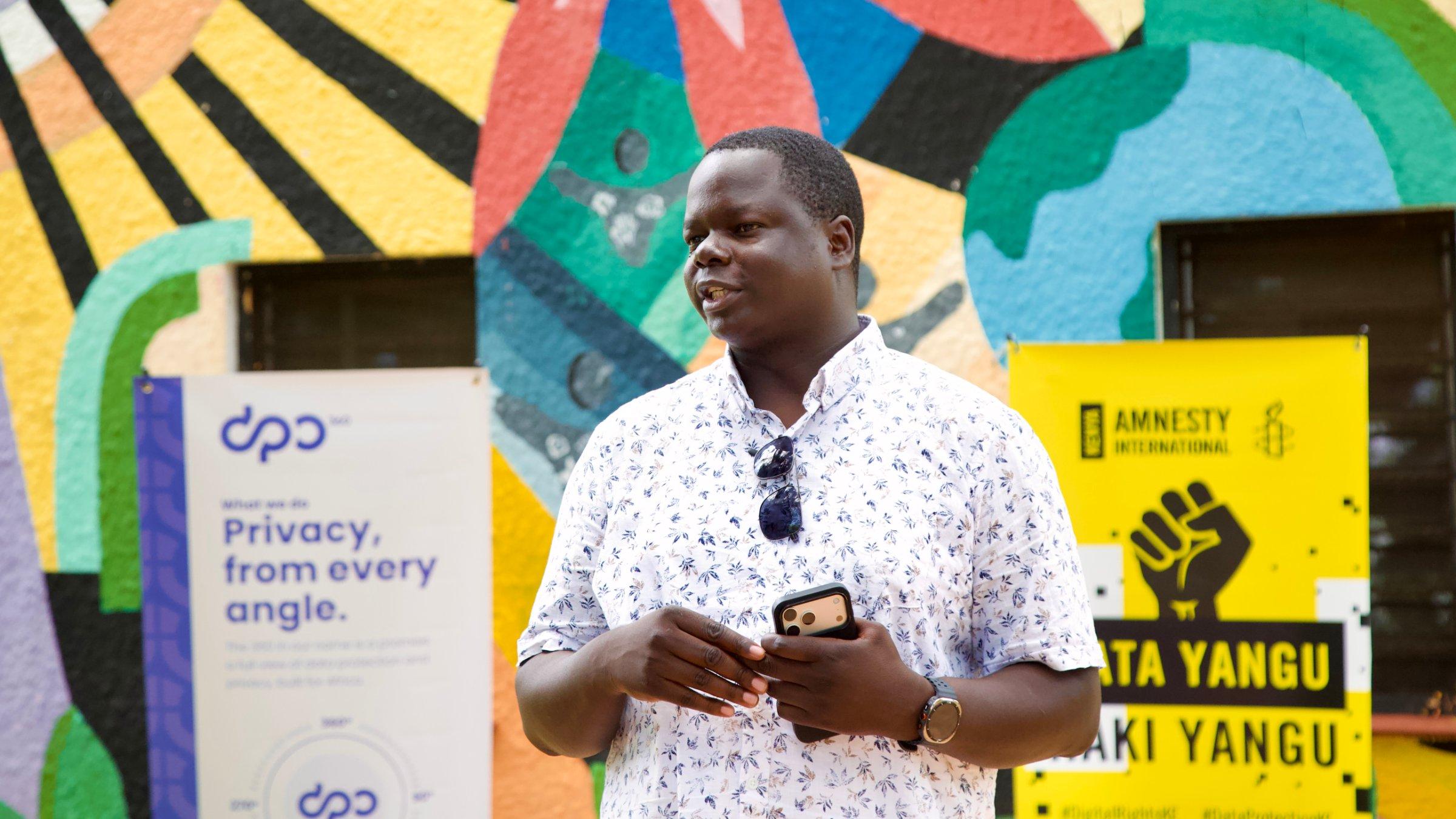
Thank you to Amnesty International Kenya and to Maono Space and the 18 participating organisations for their commitment and DPO 360 Africa's training team which was led by Philip Wasilwa.
Protecting personal data is protecting people.